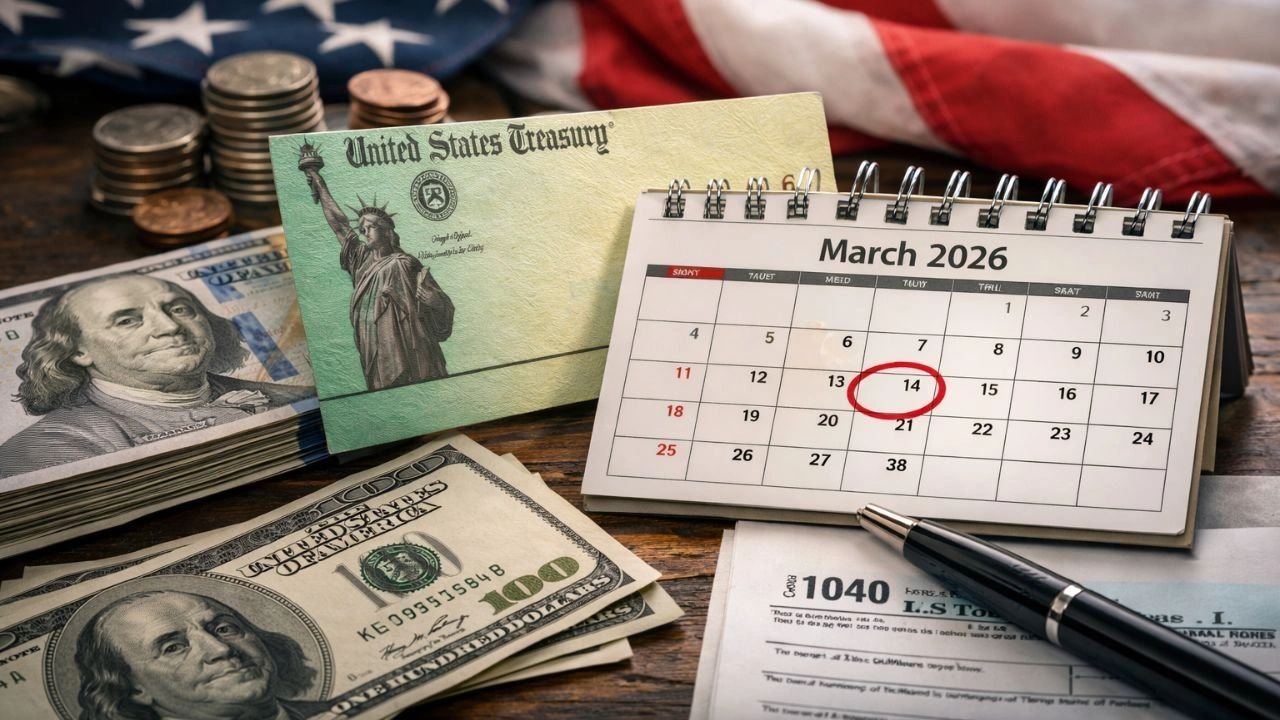
In recent weeks, discussions about a potential $1,130 stimulus payment in March 2026 have captured national attention. While these reports have sparked hope among Americans, it is important to separate speculation from confirmed government action and understand the framework behind stimulus payments.
Why the $1,130 Stimulus Is Being Discussed
The $1,130 figure has circulated widely across social media and news discussions, representing a possible financial relief amount for households. This attention reflects ongoing economic concerns, as many Americans face rising living costs and seek support during the tax season.

Financial experts caution that not all widely shared claims are backed by official legislation. Historically, stimulus payments require congressional approval before distribution, meaning any suggested payment remains speculative until formally authorized.
Understanding Stimulus Payments
Stimulus payments are designed to provide temporary financial support to households during periods of economic stress. They help individuals cover essential expenses such as rent, food, utilities, and healthcare. Beyond household support, stimulus payments stimulate economic activity by increasing consumer spending, benefiting businesses and the broader economy.
The discussions around a $1,130 payment are based on estimated relief calculations and potential eligibility, not confirmed disbursement.
Eligibility Considerations

If a stimulus program were approved, eligibility would likely hinge on several factors:
- Income Level: Lower- and middle-income households would typically be prioritized, while higher-income individuals may receive reduced amounts or may not qualify.
- Tax Filing Records: Recent tax returns help verify income and determine eligibility. Filing on time ensures inclusion in potential payment calculations.
- Residency Status: Only eligible residents would receive payments, ensuring proper allocation of funds.
Filing tax returns accurately is crucial, even for individuals with low or no income, as it ensures they are included in any potential relief programs.
Expected Payment Timeline
While unconfirmed, reports suggest that payments could begin in March 2026. Distribution would likely occur in phases to manage high volumes efficiently. Early recipients might receive payments faster depending on processing speed, while others may experience later disbursements.

The actual timeline depends on official authorization and verification procedures, meaning these estimates are not guaranteed.
Payment Methods: Direct Deposit vs. Paper Checks
Direct deposit is expected to be the fastest method for receiving funds. Individuals with updated banking information can receive payments directly into their accounts within days of processing. Those without direct deposit details may receive checks or prepaid cards, which can take longer due to mailing times.
Ensuring accurate banking information is essential to avoid delays and maximize the efficiency of any potential payments.
Potential Delays and Verification Processes
Even with approved payments, not all recipients would receive funds simultaneously. Eligibility verification—including income, tax records, and residency—may delay processing. Additional checks or missing information can prolong distribution. Banking processing times also play a role in when funds appear in accounts.
Role of the IRS and Government Agencies
The IRS typically handles stimulus payment distribution, leveraging tax return data to identify eligible individuals and calculate amounts. This centralized approach allows efficient payment without requiring separate applications in many cases. However, the IRS can only issue payments once federal legislation is approved.
Protecting Yourself from Misinformation and Scams
Heightened discussions around stimulus payments often attract scammers. Fraudulent messages may request personal or banking information under the guise of helping individuals access payments. It is critical to remember that government agencies do not contact taxpayers through unsolicited messages for this purpose.
Rely only on official sources, such as IRS announcements, government websites, or verified news channels, to avoid financial fraud.
How to Stay Updated
To receive accurate information, monitor official updates from Congress, the IRS, and the U.S. Treasury. These sources provide reliable guidance on stimulus programs, eligibility criteria, and payment schedules. Avoid relying on viral posts, social media speculation, or unverified online claims.
Final Outlook
While the $1,130 stimulus payment in March 2026 remains a topic of discussion, no nationwide program guaranteeing this amount has been confirmed. Any potential payment would require congressional approval before implementation. Taxpayers should focus on filing tax returns on time, ensuring accuracy, and following official channels for updates. Staying informed and prepared is the best way to navigate the tax season and potential financial relief programs.
FAQs
1. Is the $1,130 stimulus payment confirmed for March 2026?
No. There is no official confirmation of a nationwide $1,130 payment. It remains speculative.
2. Who could qualify if a payment is approved?
Eligibility would likely depend on income level, tax filing status, and residency requirements.
3. When could payments be distributed if approved?
Payments could begin in March 2026, but exact dates depend on official approval and processing.
4. What is the fastest way to receive a payment?
Direct deposit is typically the quickest method, while mailed checks take longer.
5. How can I avoid stimulus payment scams?
Do not share personal or banking information through unsolicited messages. Rely only on official IRS or government websites for updates.